
How to Transition Your Cat to an Automatic Litter Box
If you have just bought a self-cleaning litter box, one of the first questions you probably have is how to transition cat to automatic litter box without causing stress, confusion, or total refusal.
And honestly, that is the right question to ask.
As cat moms, we know cats can be very particular about litter box changes. A new food bowl is one thing. A new bed is another. But a new litter box? That can feel like a major life event in cat terms. Even if the automatic litter box is cleaner, smarter, and more convenient for you, your cat may not see it that way at first.
That is why a slow, thoughtful transition matters.
The good news is that many cats can learn to use an automatic litter box successfully. The key is not rushing the process. Most cats do best when the new box feels familiar, safe, and low-pressure.
In this guide, I’ll walk through exactly how to transition your cat to an automatic litter box, including what to do first, what mistakes to avoid, how to tell if your cat is stressed, and which types of boxes may be easier for cautious cats.
If you are still comparing options, start with our guide to the best automatic cat litter boxes on Amazon USA.
Why some cats struggle with automatic litter boxes

Automatic litter boxes can be a great upgrade for cat moms, but from a cat’s point of view, they can also feel strange.
Your cat may notice:
- a different shape
- a different entry style
- new sounds
- movement after use
- a new smell from plastic, packaging, or unfamiliar litter
That can be enough to make some cats hesitate.
Cats are creatures of habit, and the litter box is one of the most routine-based parts of their day. That means even a positive change needs to be introduced carefully.
As a cat mom, I think this is the most important mindset shift: do not expect your cat to love the new box immediately just because it seems better to you.
How to transition cat to automatic litter box
Here is the step-by-step approach I would recommend.
1. Keep the old box at first
This is probably the most important step of all.
When you first bring home an automatic litter box, do not remove your cat’s old litter box right away. Put the new box near the old one if possible and let your cat investigate it without pressure.
Why this helps:
- it reduces stress
- it gives your cat a familiar backup option
- it allows curiosity to build naturally
- it avoids creating a “use this scary new thing or else” situation
For many cats, the transition goes more smoothly when they feel they still have control.
Cat mom tip
If your cat is especially cautious, let the new box simply exist in the room for a day or two before expecting anything from them.
2. Use familiar litter
One of the easiest ways to make the transition smoother is to keep the litter itself familiar.
If your cat already likes a certain litter:
- use the same brand
- use the same texture
- use the same scent level if possible
The goal is to make the box feel new in only one way at a time.
If you change:
- the box
- the litter
- the location
- the cleaning routine
all at once, that can be overwhelming for some cats.
Using familiar litter helps because it tells your cat, “This is still your bathroom. It just looks a little different now.”
Cat mom tip
If your cat is very routine-oriented, you can even place a small amount of used litter from the old box into the new one to help it smell familiar.
3. Turn off the auto-cycle initially
This is one of the best ways to reduce fear during the transition.
When you first introduce the automatic litter box, leave the self-cleaning cycle off if the model allows it. Let your cat use it as if it were a regular litter box for a while.
Why this matters:
- movement can scare cautious cats
- noise can create negative associations
- your cat needs time to trust the box first
Once your cat is using the box comfortably, you can begin turning on the automatic cleaning feature later.
This step is especially important for cats that are:
- timid
- noise-sensitive
- older
- easily startled
Cat mom tip
If your cat is nervous about enclosed boxes, an open-top option like the Neakasa M1 Plus review may feel easier to accept than a more enclosed unit.
4. Let your cat explore the new box naturally
Do not place your cat inside the box or force them to use it.
Instead:
- let them sniff it
- let them walk around it
- let them inspect it at their own pace
Cats often do better when they feel they are making the choice themselves.
You can encourage curiosity by:
- placing the box in a familiar litter area
- keeping the room calm and quiet
- cleaning the old box a little less often than usual so the new one seems more appealing
That last tip should be used gently, not to the point of making the old box dirty or unpleasant. The goal is just to make the new box seem like a cleaner option.
5. Reward and monitor behavior
Positive reinforcement can help a lot during transition.
If your cat:
- sniffs the new box
- steps inside it
- uses it successfully
- stays calm around it
offer quiet praise, a favorite treat, or another small reward they enjoy.
This helps build a positive association.
At the same time, monitor your cat’s behavior closely. Watch for:
- hesitation
- avoidance
- accidents outside the box
- signs of fear around the automatic unit
The earlier you notice stress, the easier it is to adjust the transition plan.
Cat mom tip
If you want app-based monitoring once your cat adjusts, a smart model like the PETKIT Purobot Max Pro 2 review may be especially useful.
6. Start the cleaning cycle only after your cat is comfortable
Once your cat is using the automatic litter box regularly and confidently, you can begin introducing the cleaning cycle.
Start slowly:
- turn the cycle on only when your cat is not nearby
- let them hear it from a safe distance
- keep the experience calm and low-pressure
If your cat reacts nervously, go more slowly. There is no prize for rushing this part.
The goal is for your cat to learn:
- the box is safe
- the movement is normal
- the noise is not a threat
For some cats, this takes a few days. For others, it may take longer.
7. Remove the old box only when your cat is fully adjusted
Do not remove the original litter box until your cat is using the new one consistently.
Signs your cat is ready:
- they use the new box regularly
- they seem relaxed entering and exiting it
- they are not avoiding the litter area
- they are not having accidents elsewhere
Once that happens, you can remove the old box gradually.
As a cat mom, I always think it is better to wait a little too long than remove the backup box too early.
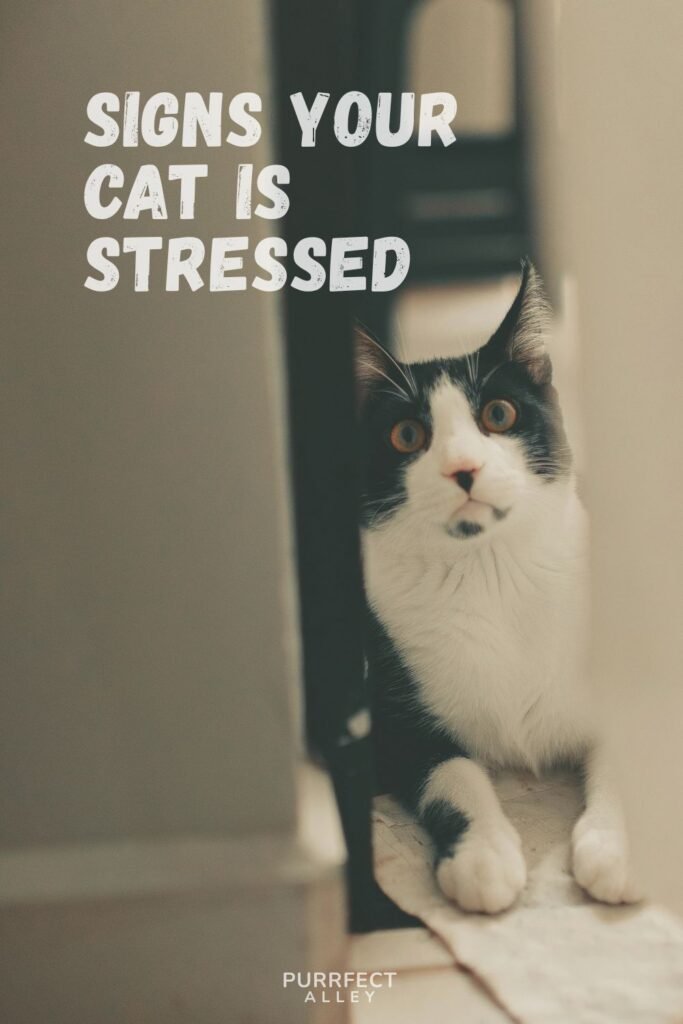
Signs your cat is stressed during the transition
This part matters a lot.
If your cat is having a hard time adjusting, you may notice:
- avoiding the new box completely
- running away when it moves or makes noise
- crouching, freezing, or acting tense near it
- urinating or defecating outside the box
- excessive vocalizing around the litter area
- hiding more than usual
- using the old box only and refusing the new one
These are signs to slow down, not push harder.
What to do if your cat seems stressed
- keep the old box longer
- turn off the auto-cycle again
- make sure the litter is familiar
- move the new box to a quieter location if needed
- give your cat more time
If litter box avoidance continues, it is also worth checking with your vet to rule out any medical issue.
Common mistakes to avoid
Removing the old litter box too soon
This is one of the fastest ways to create stress.
Turning on the automatic cycle immediately
Even confident cats may need time before they are comfortable with movement and sound.
Changing litter types at the same time
Too many changes at once can backfire.
Forcing your cat into the box
This can create fear instead of familiarity.
Assuming one bad reaction means total failure
Some cats just need more time. Slow progress is still progress.
Which automatic litter box is easiest to transition to?
Not all automatic litter boxes feel equally approachable to cats.
Best for cautious cats
Neakasa M1 Plus
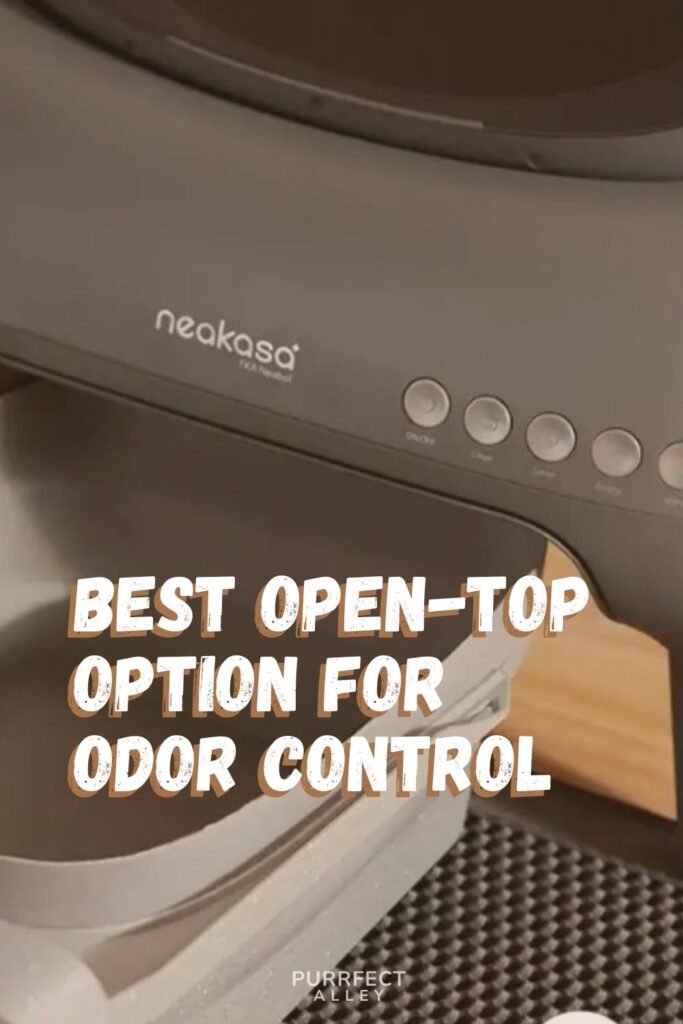
The open-top design may feel less intimidating for cats that dislike enclosed spaces or major changes.
Best for smart monitoring after transition
PETKIT Purobot Max Pro 2
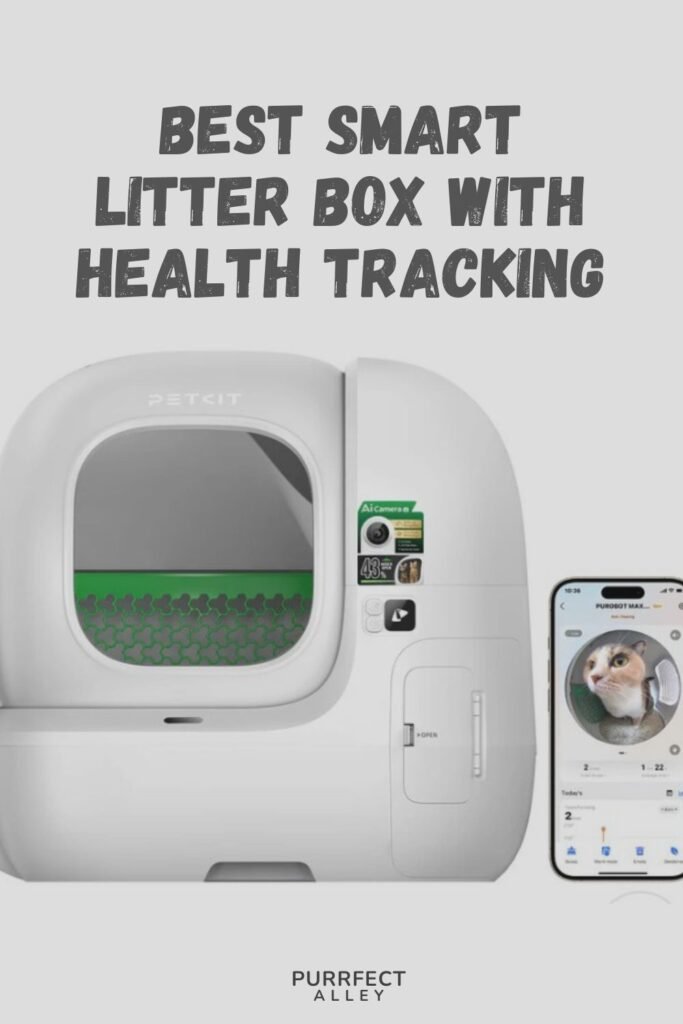
If you want app insights and a more connected system once your cat is adjusted, this is a strong premium option.
Best overall comparison guide
If you are still deciding which model may fit your cat best, see our full guide to the best automatic cat litter boxes on Amazon USA.
How long does the transition take?
There is no single answer.
Some cats use the new box within a day or two. Others may take a week or more. Very cautious cats may need an even slower transition.
Factors that affect timing include:
- your cat’s personality
- whether the box is open or enclosed
- whether the litter stays the same
- how noisy the unit is
- whether the auto-cycle is introduced gradually
As a cat mom, I would plan for a gradual process rather than expecting instant success.
FAQs
How do I transition my cat to an automatic litter box?
Start by keeping the old box, using familiar litter, turning off the auto-cycle, and letting your cat explore the new box slowly.
Should I leave the old litter box out?
Yes. Keep the old box at first so your cat does not feel forced into using the new one.
When should I turn on the self-cleaning feature?
Only after your cat is using the new box comfortably and without fear.
What if my cat is scared of the automatic litter box?
Slow down the transition. Turn off the cycle, keep the old box, and let your cat get used to the new one gradually.
Is an open-top automatic litter box easier for cats?
For many cautious cats, yes. Open-top models can feel less intimidating than enclosed boxes.
How do I know if my cat is stressed by the new litter box?
Watch for avoidance, accidents outside the box, hiding, vocalizing, or obvious tension near the litter area.
Final thoughts
If you are wondering how to transition cat to automatic litter box, the most important thing to remember is this: go slower than you think you need to.
Cats do best when change feels safe, familiar, and optional. Keeping the old box, using familiar litter, and waiting to activate the self-cleaning cycle can make a huge difference.
As a cat mom, I think the best transitions happen when we respect the cat’s pace instead of focusing only on our own excitement about the new product.
If you want a more approachable open-top option, start with the Neakasa M1 Plus review.
If you want a premium smart option with app insights, see the PETKIT Purobot Max Pro 2 review.
And if you are still comparing the best options overall, visit our guide to the best automatic cat litter boxes on Amazon USA.
🐾 Affiliate Disclosure: As an Amazon Associate, I earn from qualifying purchases. This helps keep our cat community going at no extra cost to you.