Senior Cat Care: 12 Ways to Help Your Older Cat Stay Healthy
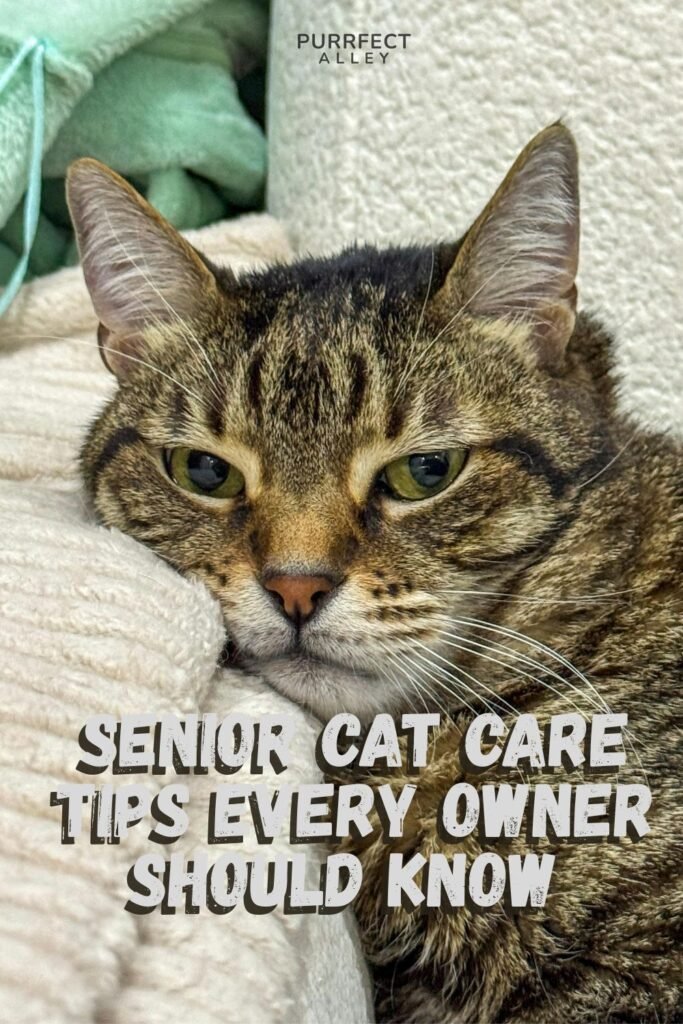
Cats are experts at hiding discomfort, which is one reason senior cat care deserves extra attention. As cats get older, their bodies and habits begin to change. They may sleep more, move less, groom less often, or become pickier about food and water.
These changes can be part of aging, but they can also point to health problems that need support.
With the right care, many senior cats can stay comfortable, active, and content well into their later years. A few simple changes at home can make a big difference in your cat’s quality of life.
This guide covers practical, vet-backed senior cat care tips, along with useful products that can naturally support an aging cat’s daily routine.
When Is a Cat Considered a Senior?
Cats are often considered senior between 7 and 10 years old.
Many age-related changes become more noticeable after age 10, but some health issues can begin earlier without obvious signs. That is why preventive care matters even when an older cat still seems healthy.
Some experts break the life stage down like this:
- Mature: 7 to 10 years
- Senior: 11 to 14 years
- Geriatric: 15 years and older
Every cat ages differently. Some stay playful and agile for years, while others need support sooner.
Common Signs of Aging in Cats
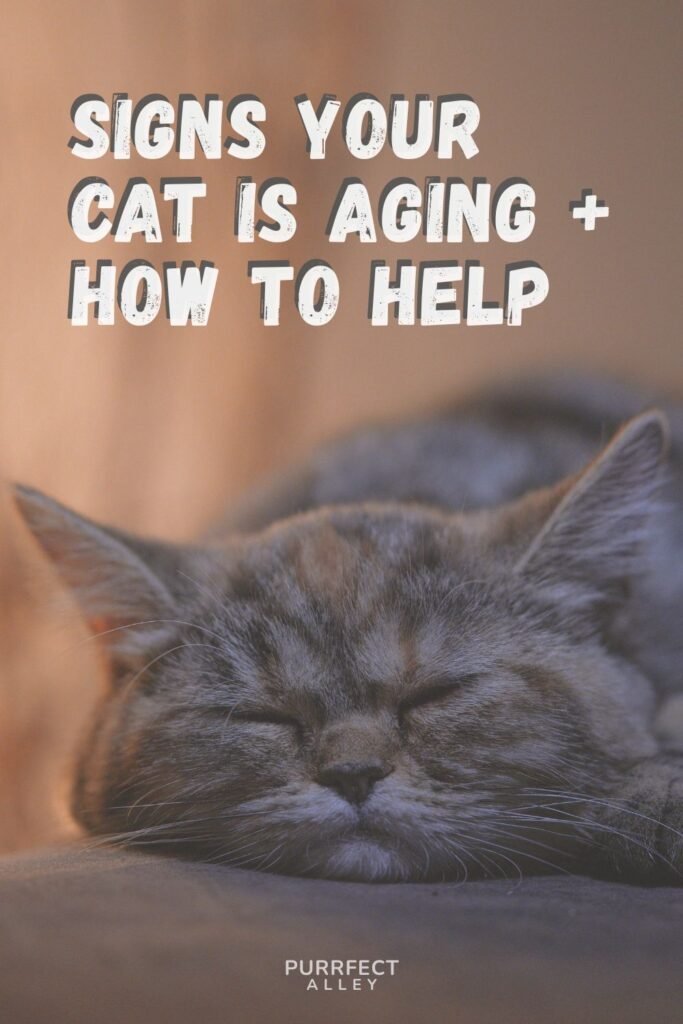
It helps to know what changes to watch for.
Common signs of aging in cats include:
- Sleeping more
- Less jumping or climbing
- Stiffness after rest
- Weight loss or weight gain
- Changes in appetite
- Drinking more water
- Poor grooming
- Matted fur
- Bad breath
- Litter box accidents
- Increased vocalization
- Hiding more often
These signs may be linked to common senior cat health issues such as arthritis, kidney disease, hyperthyroidism, diabetes, dental disease, or cognitive decline.
1. Schedule More Frequent Vet Visits
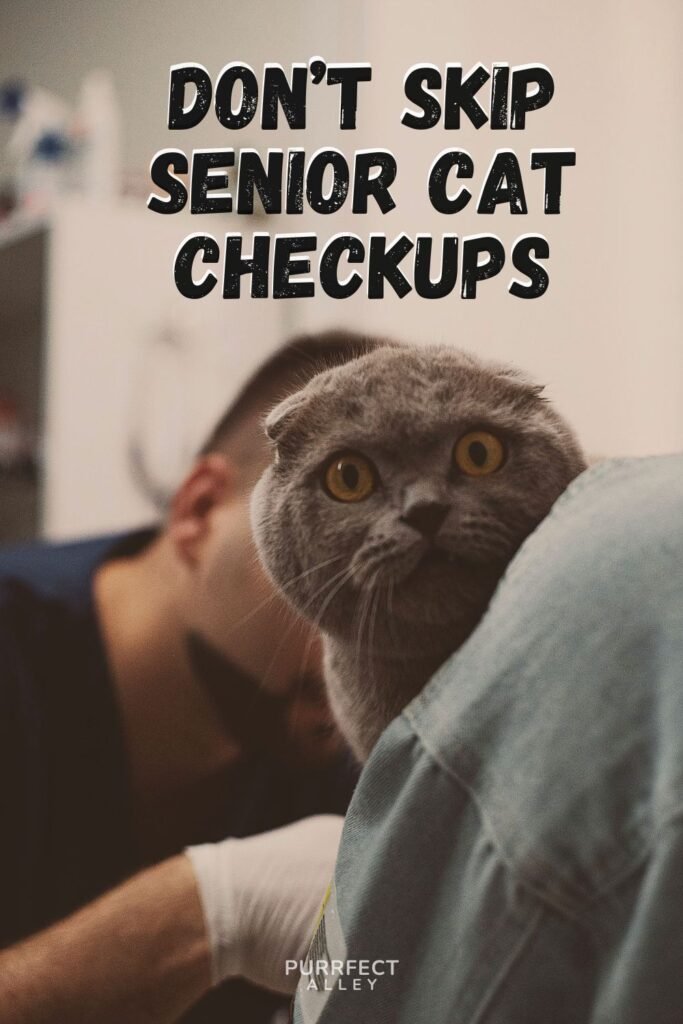
One of the most important senior cat care tips is to make veterinary visits more frequent.
Older cats can develop chronic diseases slowly, and many do not show obvious symptoms until a condition has progressed. Routine exams can help catch problems earlier.
Many veterinarians recommend checkups every 6 to 12 months for senior cats.
Your vet may suggest:
- A physical exam
- Weight and body condition check
- Bloodwork
- Urinalysis
- Blood pressure testing
- Thyroid screening
- Dental evaluation
This kind of monitoring is especially useful for detecting issues like kidney disease, diabetes, hyperthyroidism, and high blood pressure.
2. Feed a Diet That Supports Healthy Aging
Nutrition matters even more as a cat gets older.
Senior cats need food that helps maintain muscle, supports a healthy weight, and is easy to eat and digest. Some older cats do well on senior-specific formulas, while others may need a diet based on a medical condition.
Wet food is often helpful because it adds moisture and can be easier to chew.
When choosing food, look for:
- High-quality animal protein
- Balanced calories
- Good digestibility
- A texture your cat likes
- Veterinary guidance when health conditions are involved
Avoid changing your cat’s diet suddenly unless your vet recommends it.

A senior wet cat food variety pack can be especially useful for older cats with changing appetites. Offering different textures and flavors may help when a cat becomes fussier with age, and the extra moisture in wet food can support hydration at the same time. Elevated cat bowls can also make mealtimes more comfortable for cats with neck stiffness or joint pain, since they reduce the need to crouch as deeply over the dish.
3. Encourage Better Hydration
Hydration is a major part of senior cat care.
Older cats are more prone to dehydration, and this can be especially important for cats with kidney concerns or those who simply do not drink enough water on their own.
To encourage more drinking:
- Place water bowls in several rooms
- Refresh water daily
- Keep bowls away from litter boxes
- Try wide bowls that do not bother whiskers
- Offer wet food when appropriate
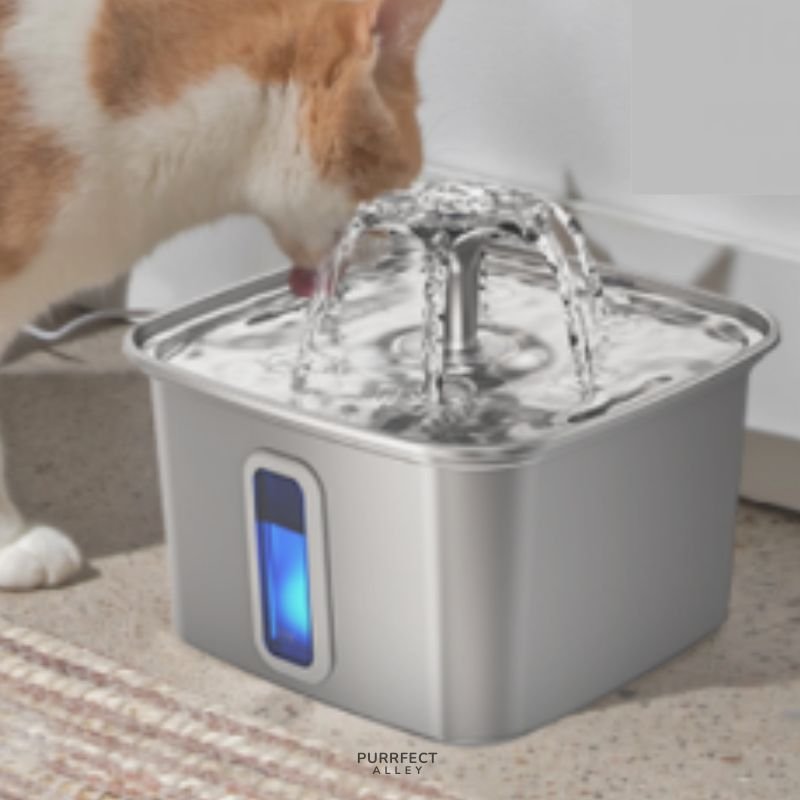
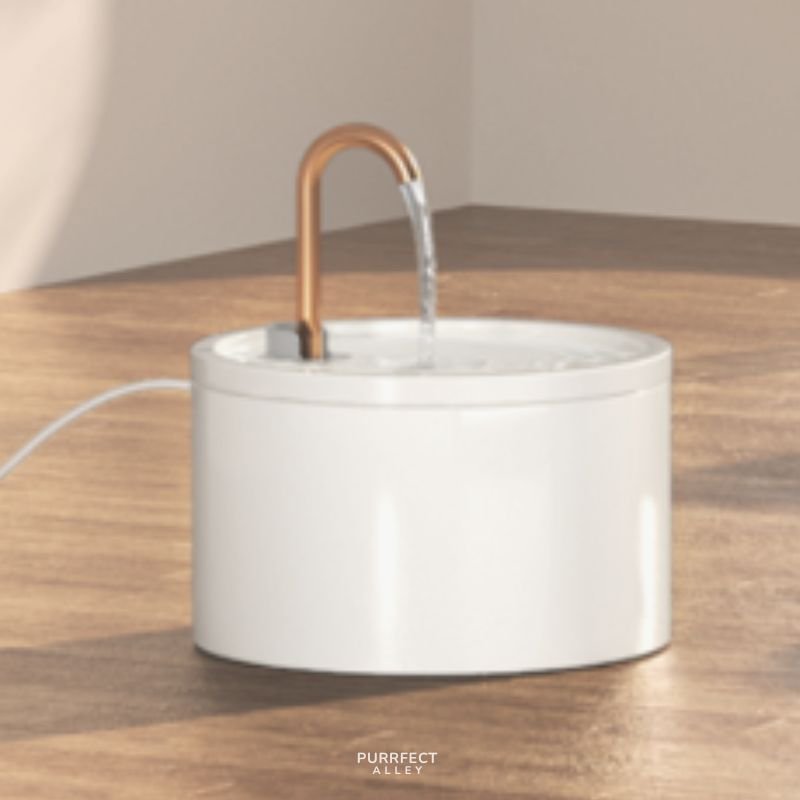
Some cats drink more when water is moving.
A cat water fountain fits naturally into a senior cat setup because many cats are more interested in running water than still water. Stainless steel or ceramic fountains are often preferred because they are easier to clean thoroughly, and they can be a practical way to encourage better daily water intake in older cats.
4. Watch for Weight Changes
Weight changes in a senior cat should never be ignored.
Losing weight can be a sign of illness, even when appetite seems normal. Gaining weight can also be a problem because extra pounds put more strain on joints and can worsen mobility issues.
Keep an eye on:
- Body weight
- Muscle loss along the back or hips
- Changes in appetite
- Eating more slowly
- Leaving food behind
- Increased begging or hunger
Even small changes are worth mentioning to your vet.
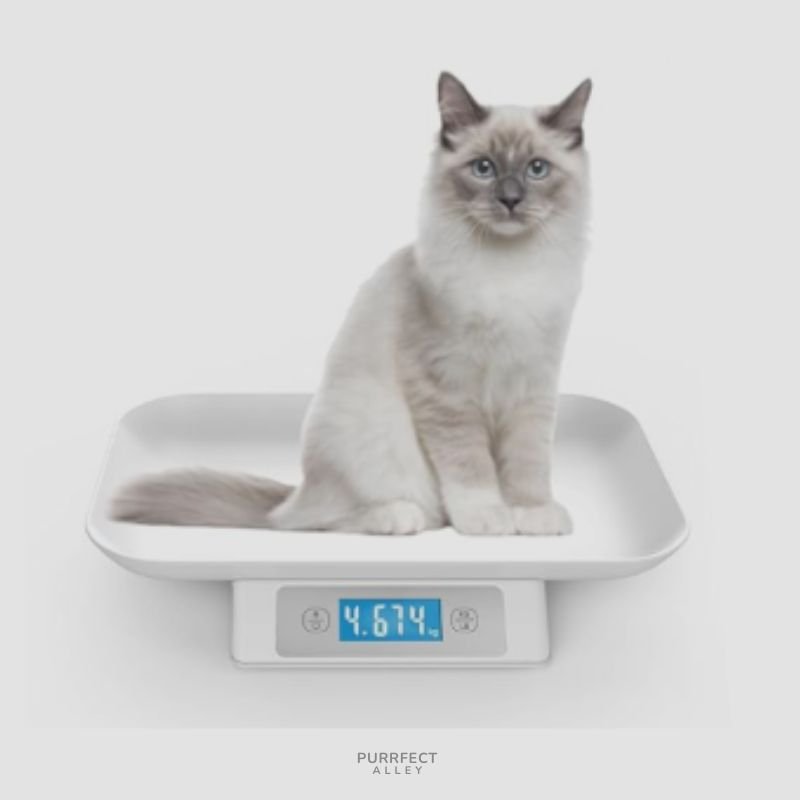
For households managing a senior cat with an ongoing health issue, a pet scale can make it easier to monitor weight trends between vet visits. Regular weigh-ins can help you spot gradual loss or gain earlier, which is especially helpful for cats with kidney disease, thyroid issues, or diabetes.
5. Make Your Home Easier to Navigate
A senior cat may still want to enjoy favorite sleeping spots, window views, and cuddle areas. The problem is that getting there may become harder with age.
Cats with arthritis or stiffness may hesitate before jumping or stop using certain parts of the home altogether.
Small home changes can help a lot.
Try:
- Pet steps for beds or couches
- Ramps to favorite perches
- Non-slip rugs on smooth floors
- Food, water, and litter boxes on one level
- Easy access to warm resting spots
These changes can reduce strain and help your cat stay independent.
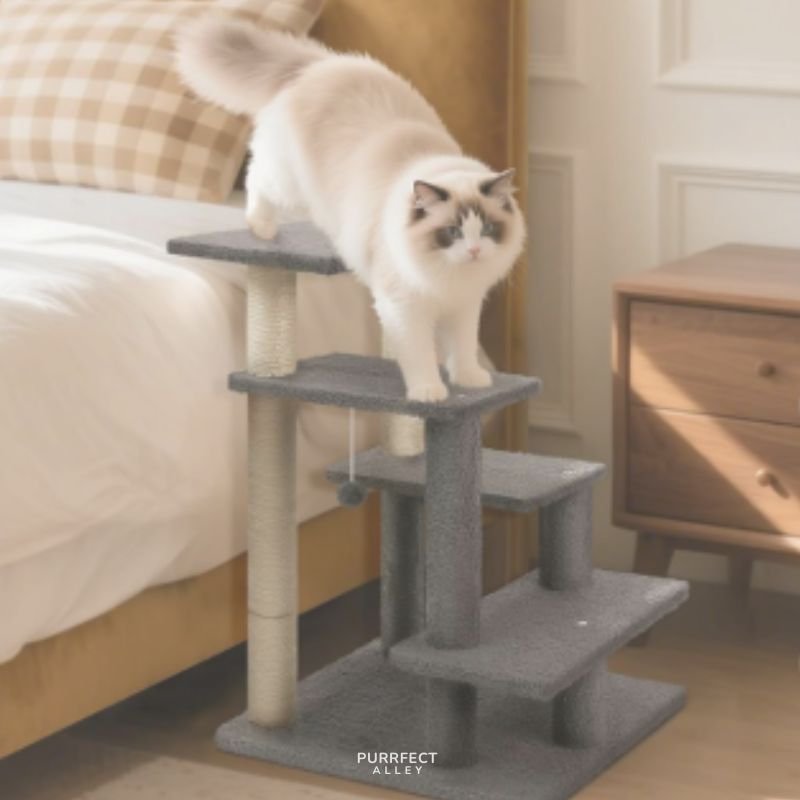
Pet stairs or a small pet ramp can be especially useful for older cats who still want to reach the sofa or bed but no longer jump comfortably. Non-slip rugs are also worth adding on tile or hardwood floors, since they give senior cats better traction and more confidence as they move around the house.
6. Support Aging Joints and Mobility
Arthritis is common in older cats, but it often goes unnoticed.
Unlike dogs, cats may not limp clearly. Instead, they may move less, avoid stairs, stop jumping, or seem less interested in play.
Signs of arthritis in cats may include:
- Trouble jumping up or down
- Stiffness
- Less grooming
- Irritability when touched
- Reduced activity
- Difficulty getting into the litter box
Talk to your vet if you notice these changes. Treatment may include weight management, home adjustments, joint supplements, or pain relief.
An orthopedic cat bed can make resting more comfortable for a senior cat with sore joints, especially one that spends more time sleeping than it used to. Some older cats also prefer a self-warming mat, which adds gentle warmth without needing electricity and can be especially comforting during cooler months or in air-conditioned homes.
7. Use a Senior-Friendly Litter Box Setup
Litter box issues are common in older cats, and they are often linked to pain or mobility problems rather than behavior.
A high-sided box may become difficult for a cat with arthritis to enter. A litter box placed far away or up the stairs may also be harder to reach in time.
To make the litter box more senior-friendly:
- Use a low-entry litter box
- Add extra boxes around the home
- Keep boxes in easy-to-reach areas
- Scoop often
- Choose unscented litter if your cat is sensitive
This is one of the simplest ways to reduce accidents and stress.
A low-entry litter box is often a better choice for senior cats because it is easier on stiff joints and aging muscles. Pairing it with an unscented clumping litter and a litter mat nearby can make the whole setup more comfortable for the cat and easier to maintain for the household.
If you are considering ways to simplify litter box maintenance, read our review on are automatic litter boxes worth it?
8. Don’t Ignore Dental Health
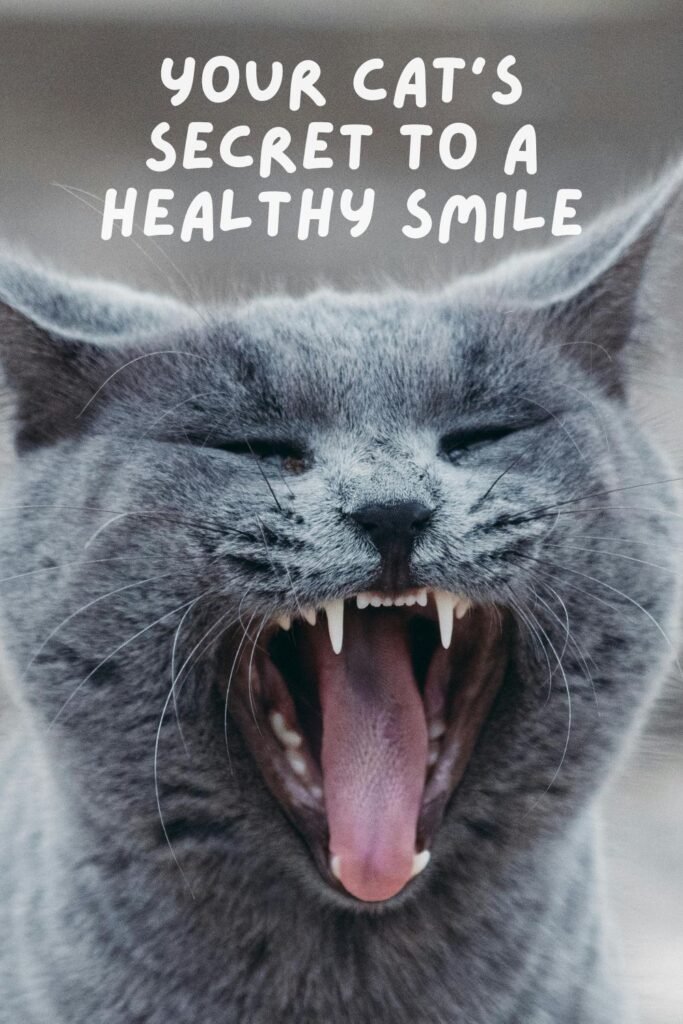
Dental disease is very common in older cats. Pain in the mouth can affect appetite, grooming, mood, and overall health. Some cats continue eating even with dental pain, so it is easy to miss.
Watch for signs such as:
- Bad breath
- Drooling
- Pawing at the mouth
- Difficulty chewing
- Preferring soft food
- Dropping food while eating
A vet should check any signs of dental trouble. At home, some cats tolerate gentle dental care, but it should always be cat-safe.
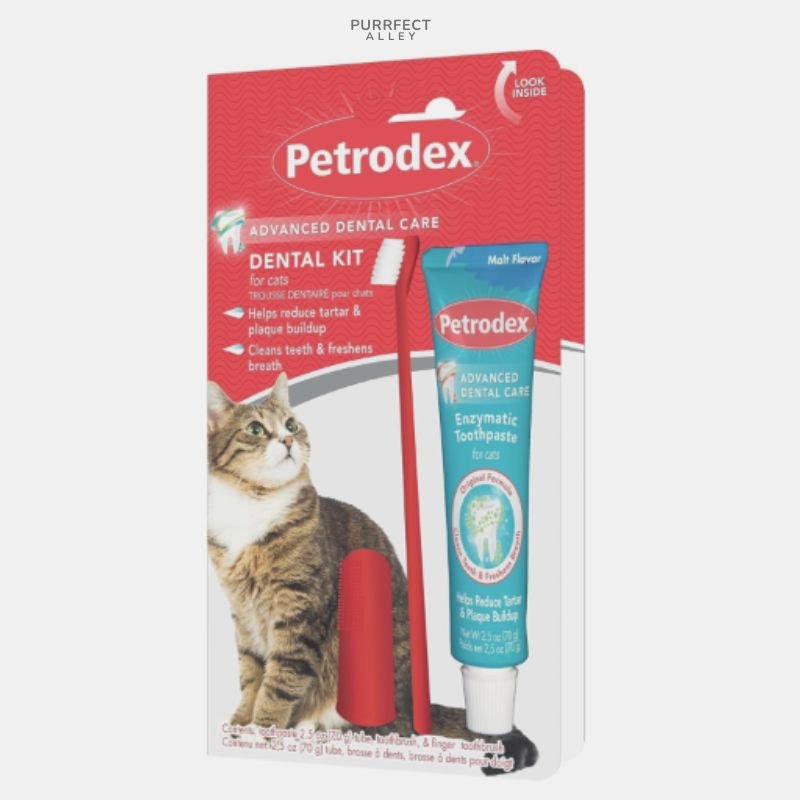
A cat dental care kit with a small toothbrush and enzymatic toothpaste can be a useful part of an at-home routine for cats that tolerate brushing. Dental treats or vet-approved oral care products may also help support oral hygiene between professional cleanings, though they should never replace veterinary dental care when a cat already has signs of disease.
9. Help with Grooming
Many senior cats groom less thoroughly than they used to.
This may happen because of arthritis, obesity, dental pain, or reduced flexibility. When grooming decreases, the coat can become greasy, flaky, or matted.
Help your cat stay comfortable by:
- Brushing regularly
- Checking for mats
- Looking for skin changes
- Trimming nails when needed
- Cleaning the rear area if necessary
Regular grooming also gives you a chance to spot lumps, bumps, or weight loss earlier.
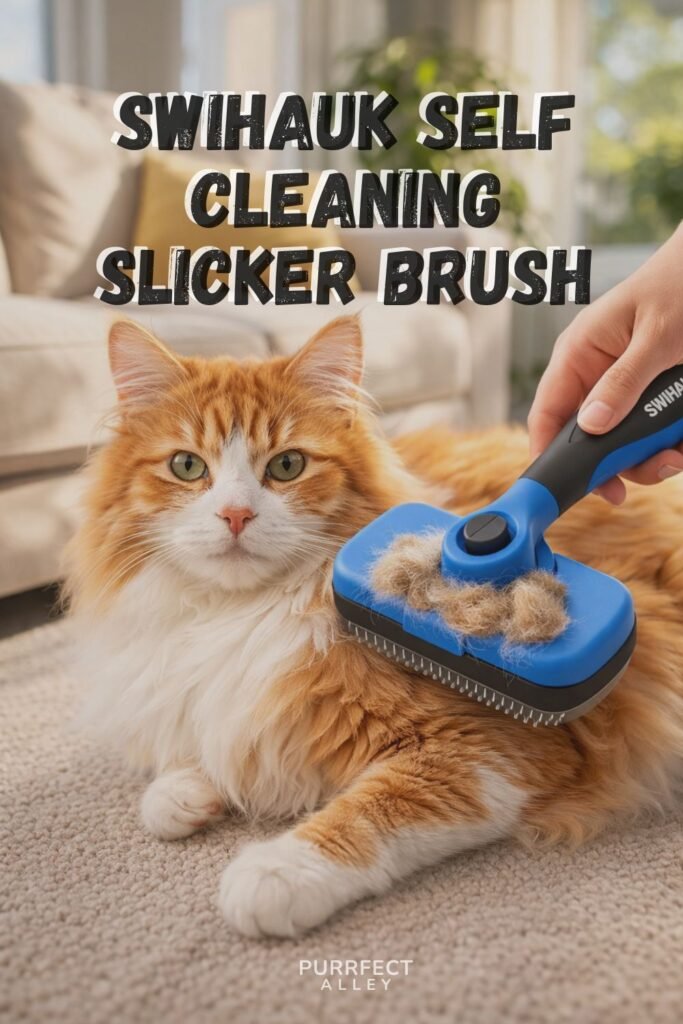
A gentle grooming brush can make a big difference for senior cats, especially when aging joints, sensitive skin, or reduced flexibility make grooming harder than before.
The Swihauk Self Cleaning Slicker Brush is designed to remove loose fur effectively without pulling too hard, which can help keep your cat’s coat cleaner and more comfortable with less stress. If you’re looking for an easier, senior-cat-friendly grooming tool, check out my full Swihauk Self Cleaning Slicker Brush review to see why it may be a smart choice for your cat
10. Keep the Brain Engaged
Senior cats still need enrichment.
Even if your older cat is less active, gentle play and mental stimulation can support mood, mobility, and cognitive health. Short sessions are often enough.
Good enrichment ideas for senior cats include:
- Puzzle feeders
- Wand toys with gentle movement
- Window perches
- Catnip toys
- Treat balls
- Rotating toys every few days
The goal is not intense exercise. It is to keep your cat interested, curious, and lightly active.
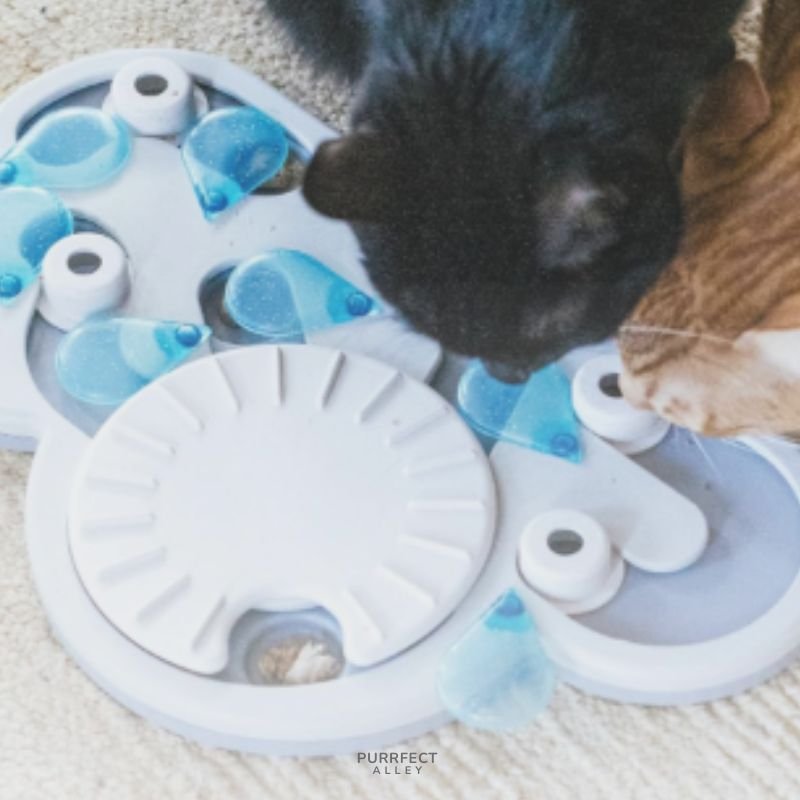
A puzzle feeder can be a great addition for a food-motivated senior cat because it slows eating and adds mental stimulation to the day. For cats who no longer chase toys as enthusiastically, simple enrichment like a window perch or a soft catnip toy may be more appealing than high-energy play.
11. Pay Attention to Behavior Changes
Behavior changes are often one of the first signs that something is wrong.
An older cat that suddenly becomes clingy, withdrawn, noisy, confused, or irritable may be experiencing pain, sensory decline, stress, or illness.
Take note of changes such as:
- More meowing at night
- Hiding more often
- Forgetting litter box habits
- Restlessness
- Confusion
- Sudden aggression
- Changes in sleep patterns
These are not things to brush off as “just old age.” They deserve a conversation with your vet.
12. Create a Calm, Comfortable Routine
Senior cats usually do best with predictability.
A stable routine can reduce stress and help older cats feel more secure, especially if they are dealing with reduced hearing, reduced vision, or age-related cognitive changes.
Try to keep:
- Feeding times consistent
- Bedding in quiet areas
- Litter box locations stable
- Household disruptions low
- Resting spots warm and easy to reach
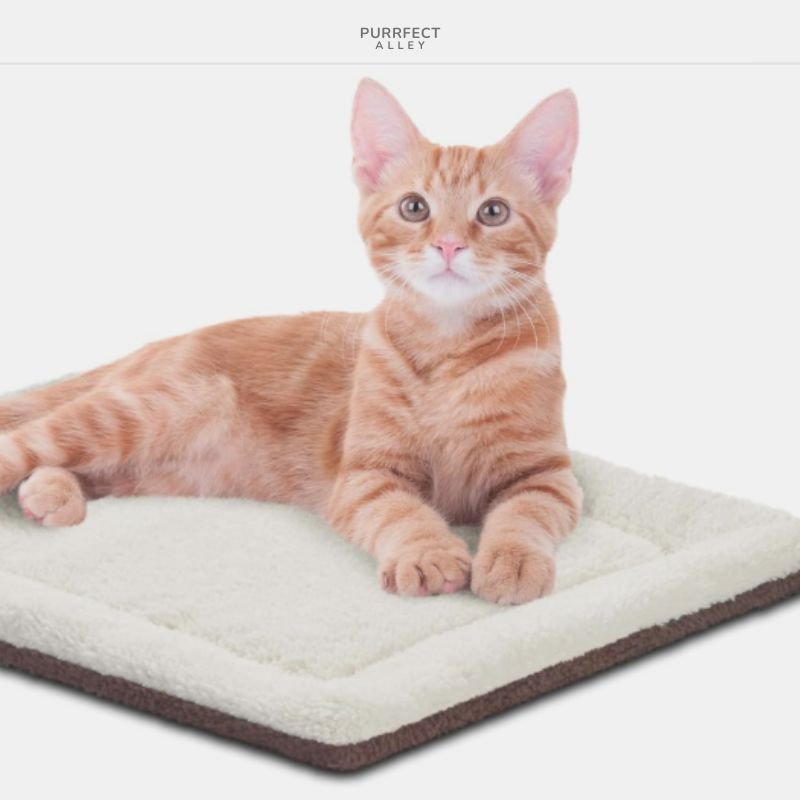
Comfort matters more than ever in later life.
A heated cat bed or a self-warming mat can make a favorite resting spot even more inviting, especially for older cats who naturally seek out warm places to sleep. Combined with a quiet corner and easy access, this kind of setup can help a senior cat rest more comfortably throughout the day.
Final Thoughts on Senior Cat Care
Caring for a senior cat is often about noticing the small things.
A lower jump. A slower walk. A change in appetite. Less grooming. More sleeping.
These shifts may seem minor at first, but they can tell you a lot about how your cat is feeling.
The good news is that many older cats do very well with a few thoughtful adjustments. More frequent vet care, better hydration, easier litter box access, joint support, and a calmer environment can all help your cat stay healthy and comfortable.
Growing older does not mean your cat cannot enjoy life. In many cases, it simply means their care needs a little more attention and a little more comfort.
FAQs
Most cats are considered senior between 7 and 10 years old, although many age-related changes become more noticeable after age 10.
Many senior cats should visit the vet every 6 to 12 months. Cats with ongoing health conditions may need more frequent checkups.
Common issues include arthritis, kidney disease, hyperthyroidism, diabetes, dental disease, high blood pressure, and cognitive decline.
Signs of pain may include hiding, irritability, stiffness, less jumping, poor grooming, litter box problems, and changes in appetite or behavior.
Wet food can be helpful for many senior cats because it provides extra moisture and may be easier to chew. The best diet depends on your cat’s health and your vet’s advice.
Increased thirst in older cats can be linked to conditions such as kidney disease, diabetes, or hyperthyroidism. A vet visit is recommended.
You can make your home more senior-friendly by adding pet steps, low-entry litter boxes, soft bedding, non-slip rugs, and easy access to food and water.
Yes. Senior cats still benefit from gentle play and enrichment to support mental stimulation, mobility, and overall well-being.
🐾 Affiliate Disclosure: As an Amazon Associate, I earn from qualifying purchases. This helps keep our cat community going at no extra cost to you.